Initial Prototyping
 Prototyping is an essential step in the development process of any product. It involves creating a preliminary version of the product to test and refine its design before moving on to the production stage.
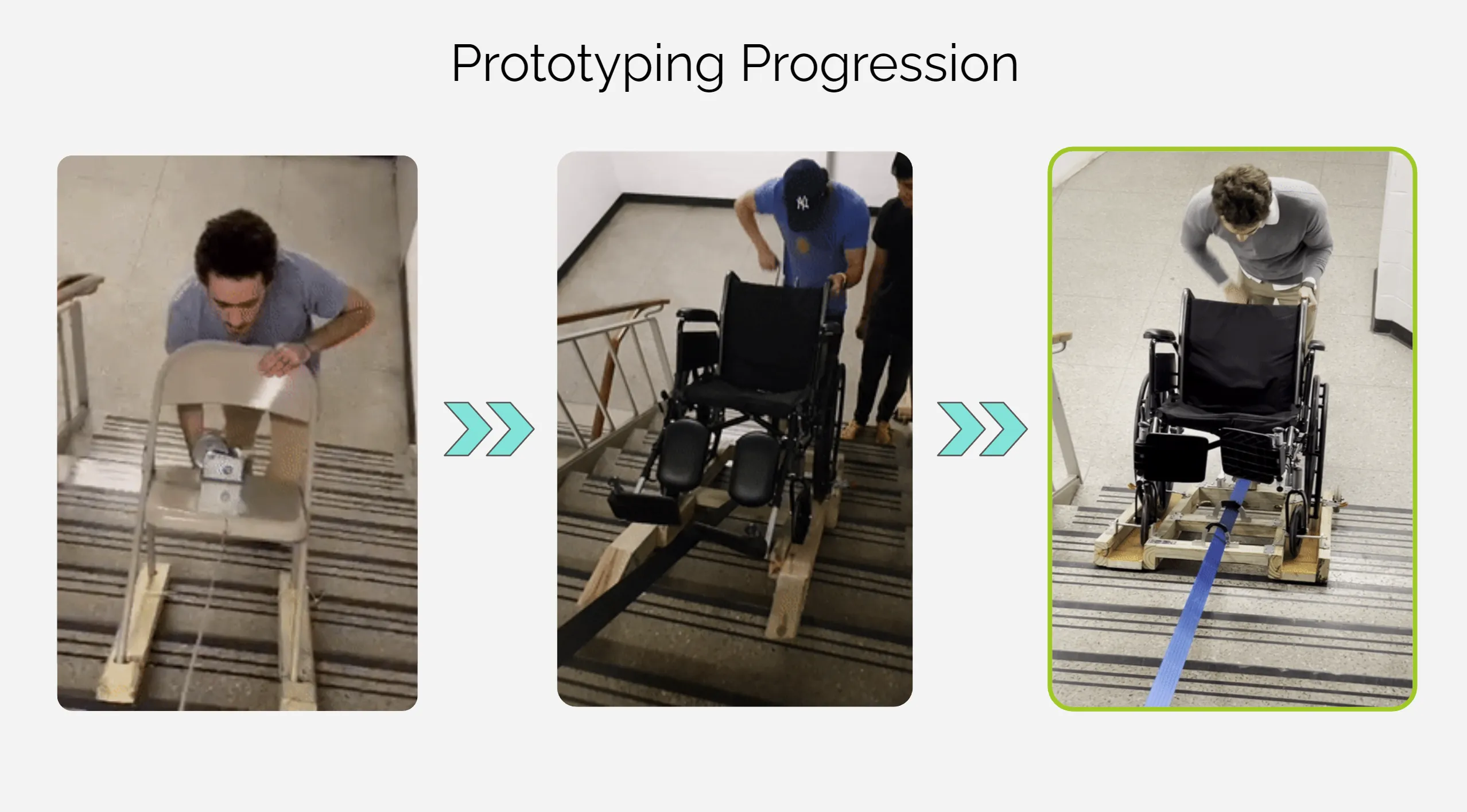
In the case of the climbing chair, we started with a rudimentary prototype that involved bolting a ratchet crank-powered cable puller to a simple foldable metal chair and adding basic skis to make it climb the stairs. This initial prototype was used to determine the expected force needed to move the chair upstairs and to identify the main challenges in making the climbing experience safe, such as controlling the lateral movement of the platform.
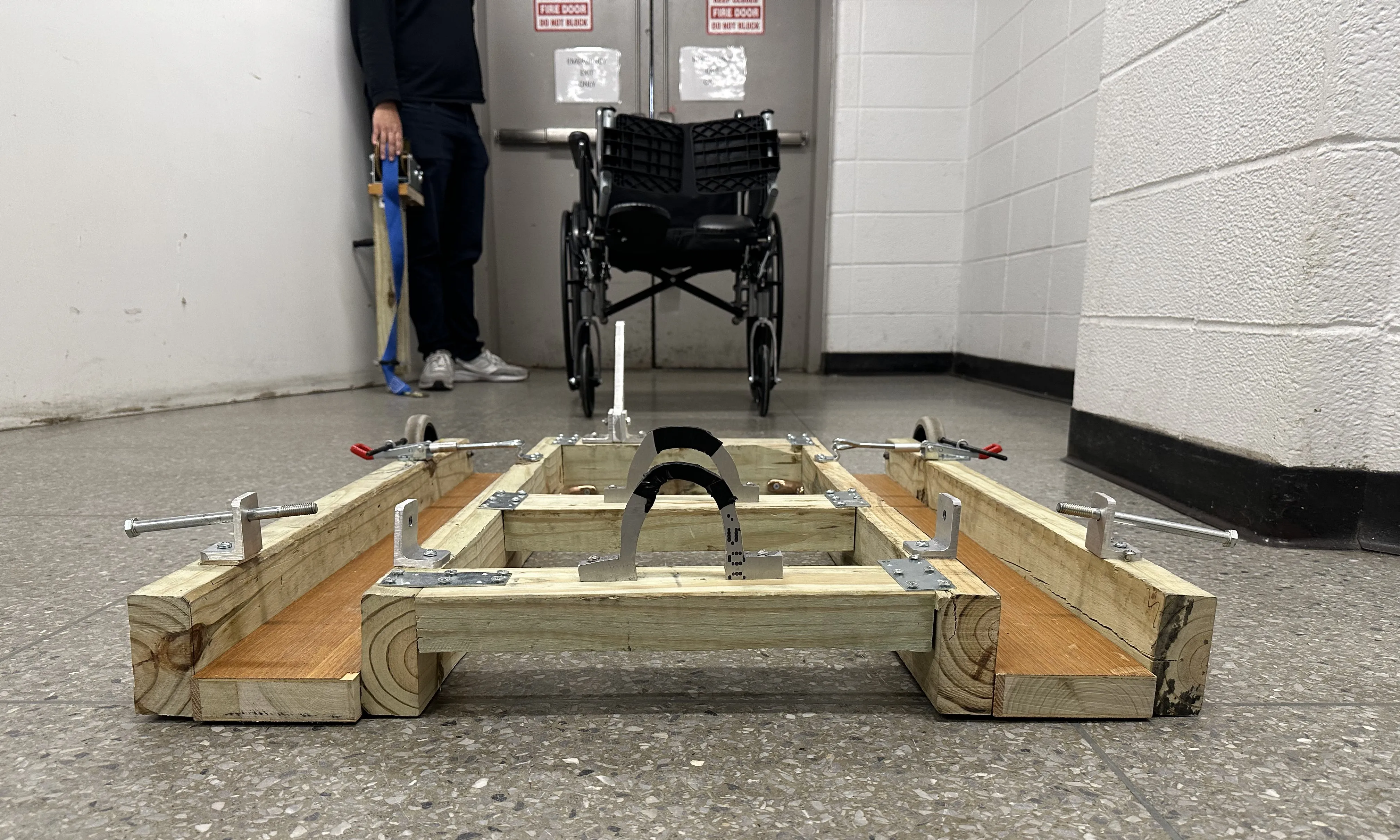
 We then created a more complex second prototype that involved making skis out of wood and adding slots to fit a wheelchair onto it. Although this version was clunky, it was able to move the wheelchair upstairs by pulling itself up. We used this prototype to conduct a significant amount of testing, which allowed us to identify potential areas for improvement and errors that needed to be fixed, such as the strength of the ratchet mechanism post.
Final Prototype
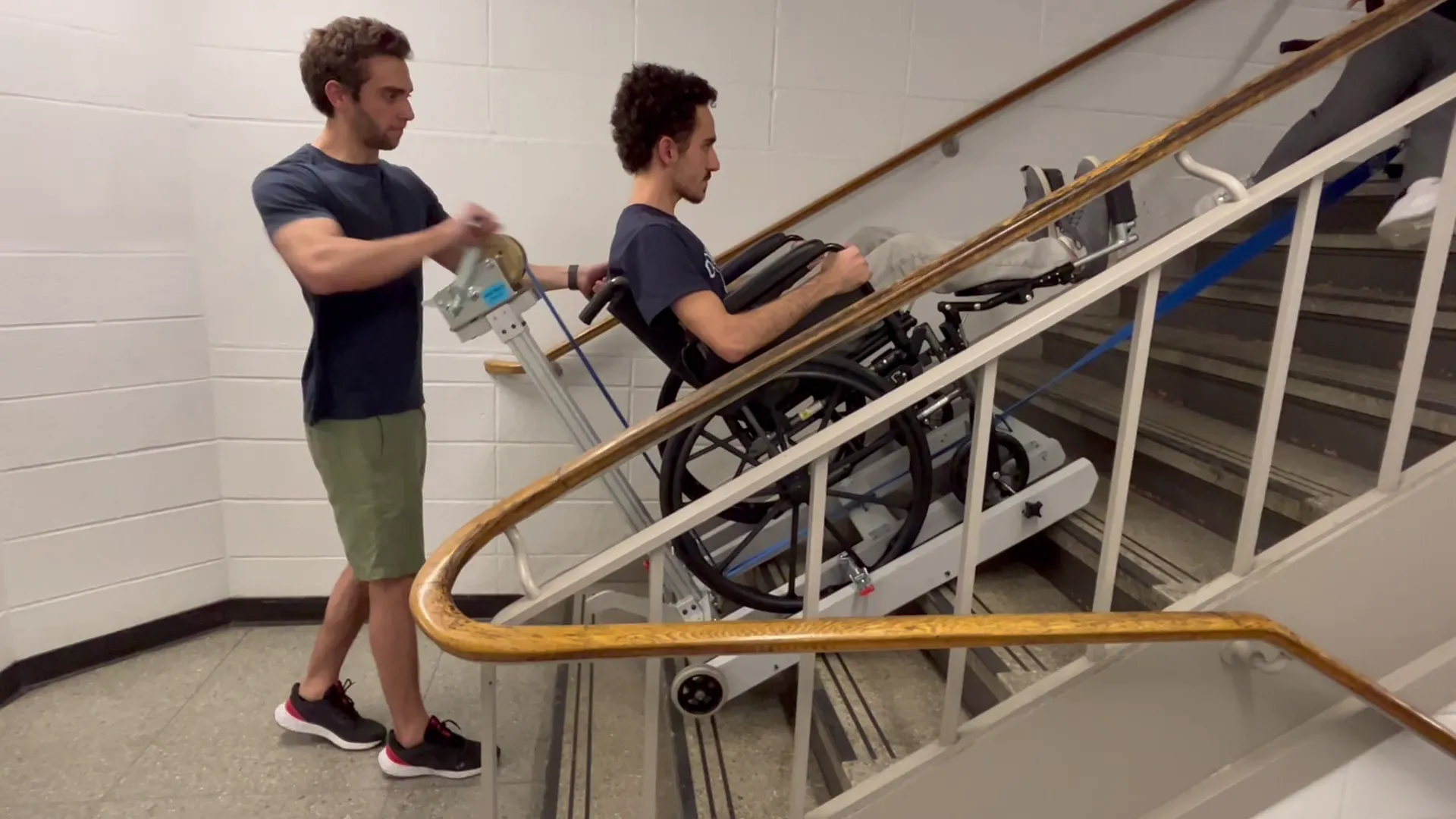
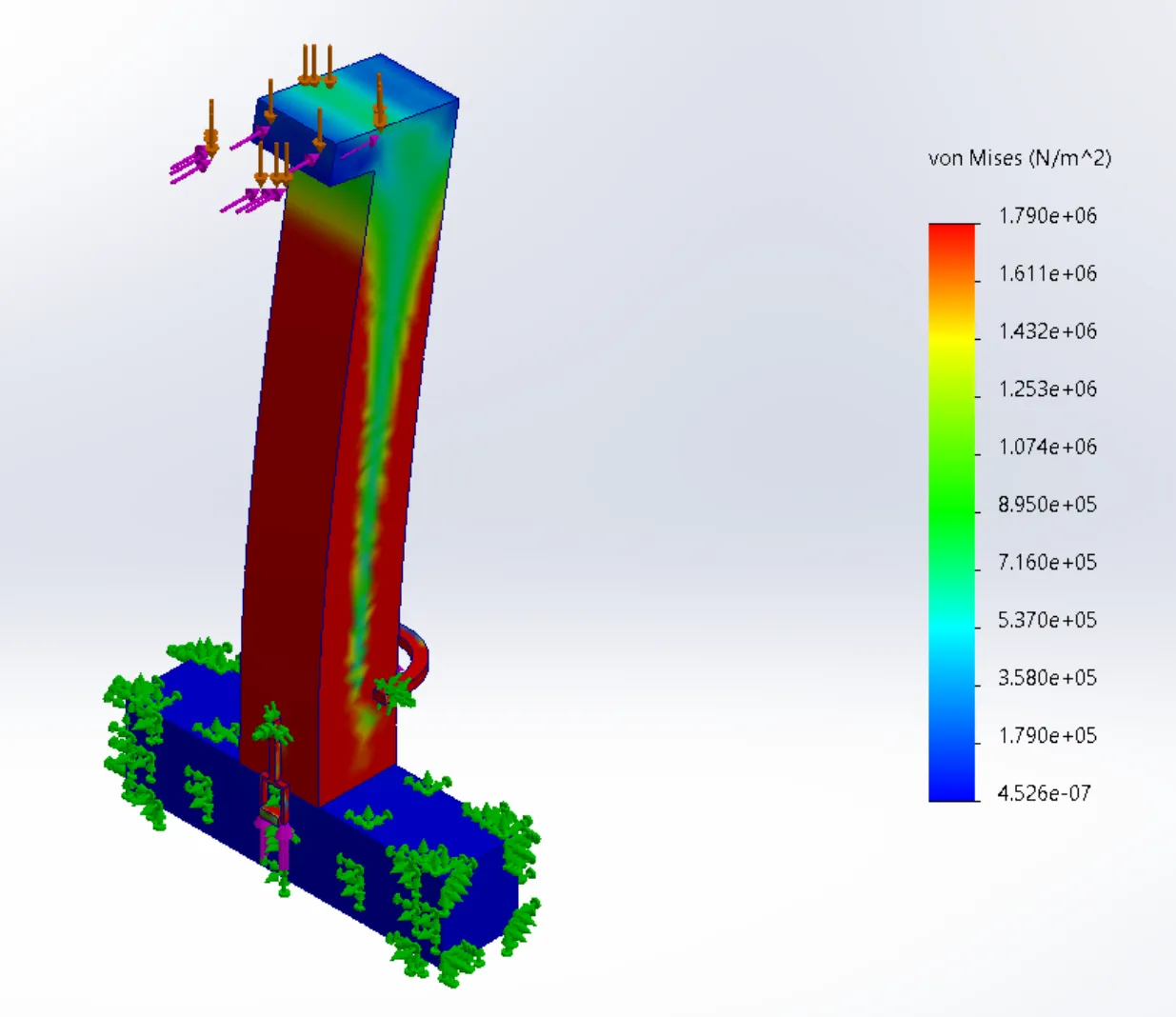
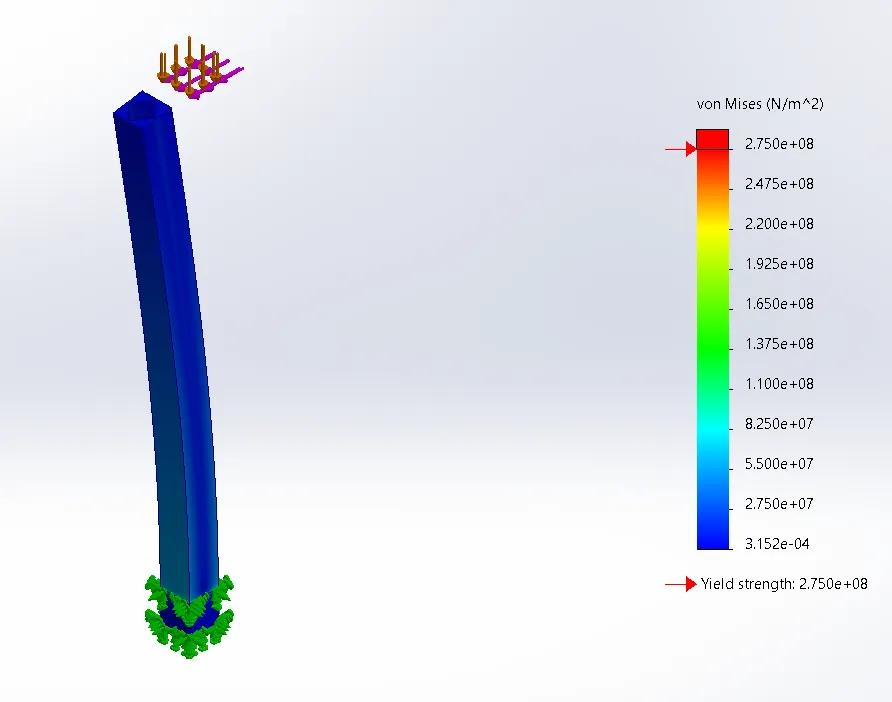
For our third prototype, we used computational analysis to guide the design process. We conducted finite element analysis on the individual components of the ratcheting subsystem and concluded that we needed to replace the post with a sturdier version made of aluminum. We also made modifications to the attachment mechanism to make it detachable more easily. This third prototype proved to be very functional, and we obtained great results during testing.
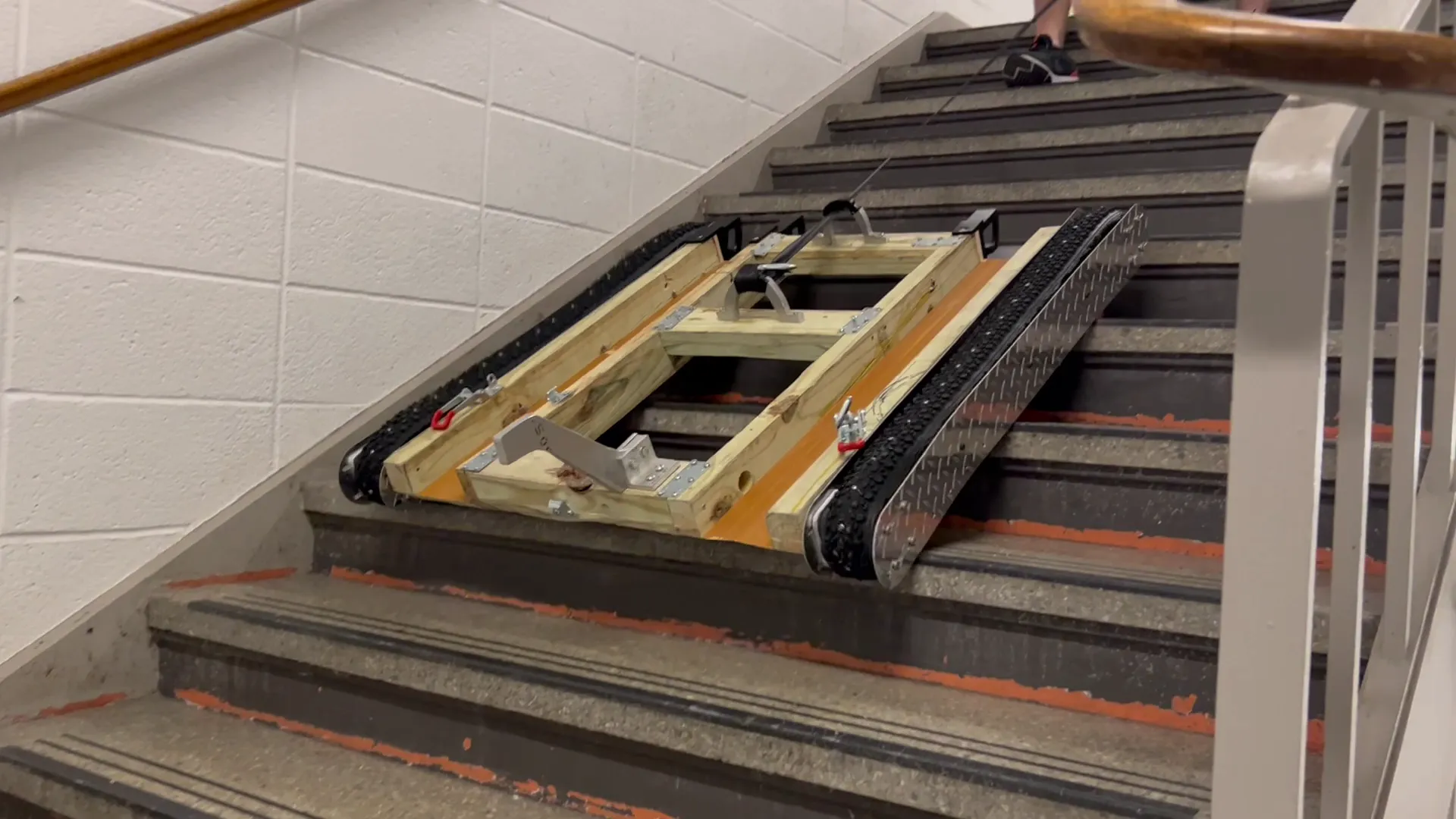
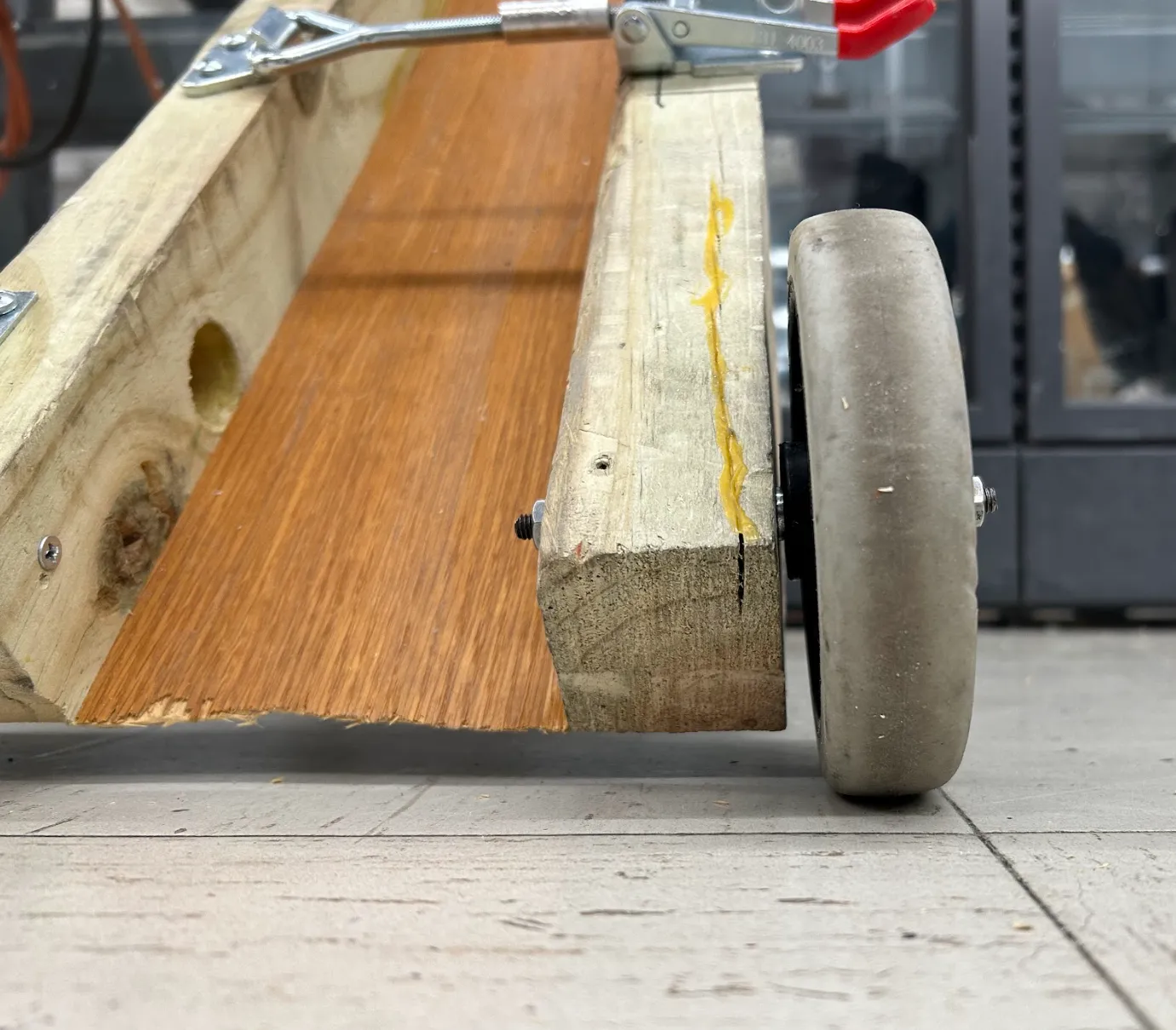
In addition to these prototypes, we also experimented with a version of the climbing chair that had tank tracks to reduce friction with the stairs. Although we didn't have time to develop this idea further, it showed significant potential and could be a possible area of investigation for future approaches to the problem.
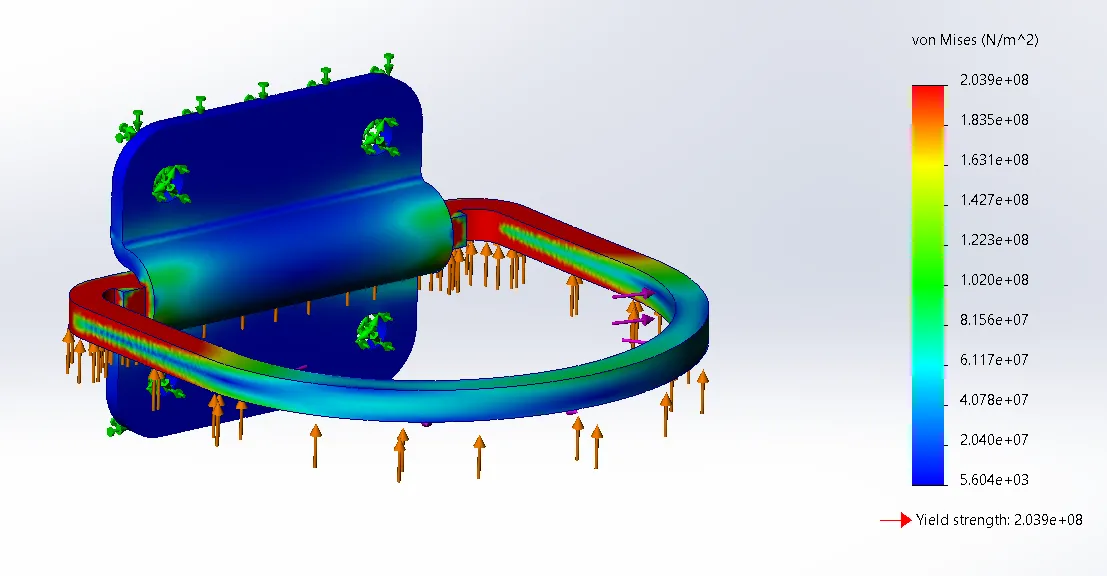
Overall, prototyping played a crucial role in the development of the climbing chair. By creating several versions and testing them rigorously, we were able to refine our design and identify areas for improvement. This process helped ensure that the final product was safe, effective, and met the needs of its users.
Testing
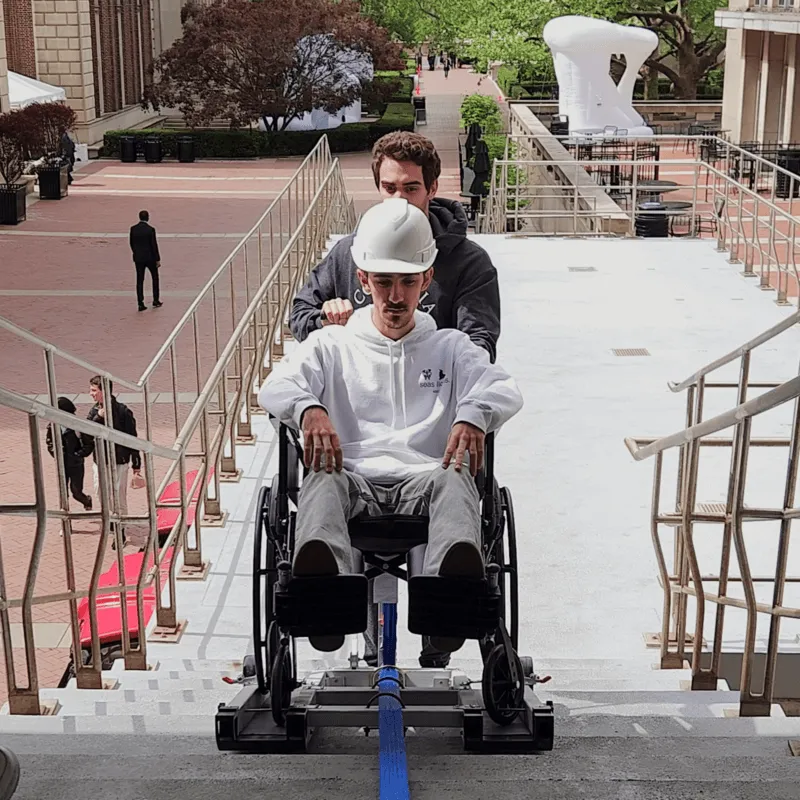
We tested the mechanism by going to a set of stairs near our lab where we used cables to create a non-permanent attatchment point on top of the stairs to which the platform's strap could be attatched to. After attaching it to the attatchemnt point, we used either weights in the range of 20kg - 40kg or a real person to test the performance of the platform. The test subject in the role of caregiver would operate the platform from start to finish and attempt to move the platform up or downstairs. We conducted a multitude of tests with each iteration of our design.
Our tests indicated that the product performs well and can succesfully allow for a single caregiver to lift a person upstairs or bring that person downstairs. Our tests also showed that there are important improvements to be done in the user experience, particularly in simplifying it.